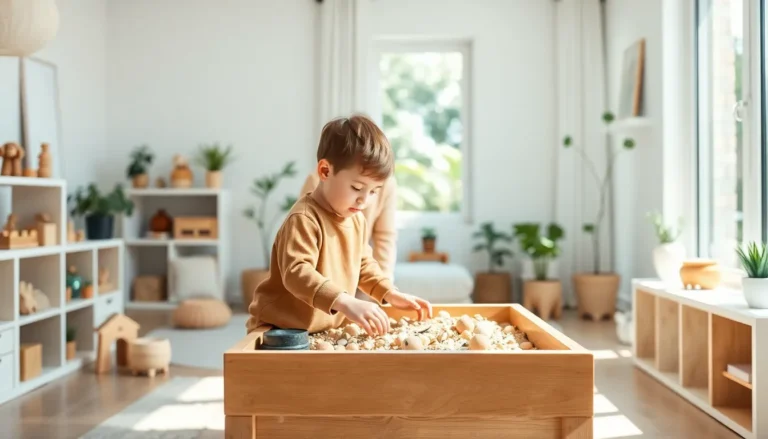
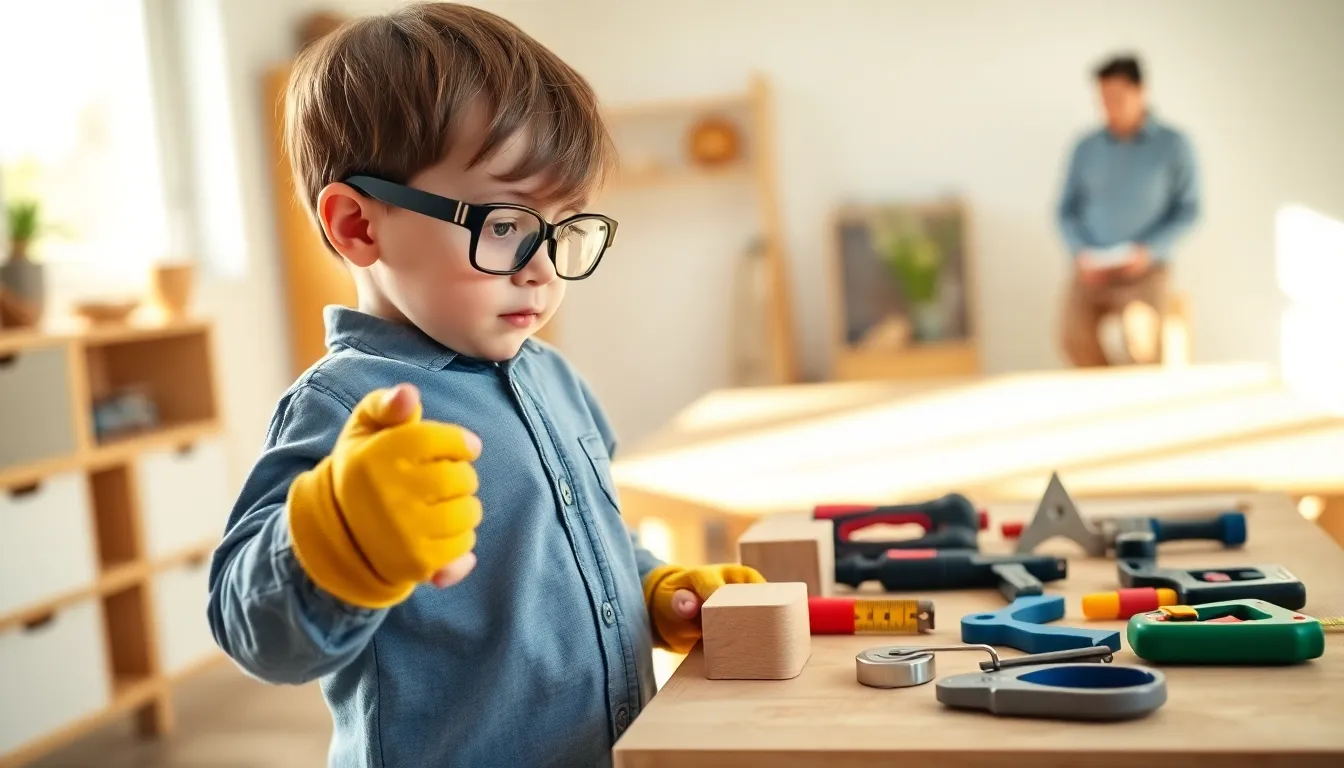
Toddlers tools offer young children a hands-on way to learn, build confidence, and develop fine motor skills. Many parents wonder whether real tools belong in tiny hands. The answer? Yes, with the right choices and supervision. Giving toddlers access to age-appropriate tools helps them explore cause and effect, practice coordination, and feel a sense of accomplishment. This guide covers why toddlers benefit from using tools, which types work best, and how to keep tool time safe and fun.
Table of Contents
ToggleKey Takeaways
- Toddlers tools help children develop fine motor skills, problem-solving abilities, and real-world confidence through hands-on learning.
- Choose lightweight, easy-to-grip tools like small hammers, rubber-handled screwdrivers, and spring-loaded pliers designed for small hands.
- Always supervise toddlers during tool time and create a dedicated workspace at their height to keep sessions safe and focused.
- Introduce one tool at a time and keep sessions short (10–15 minutes) to build mastery without frustration.
- Use soft materials like balsa wood, foam blocks, or cork boards to provide safe surfaces for hammering and drilling practice.
- Make tool time routine and offer real projects to keep toddlers engaged while teaching responsibility and respect for equipment.
Why Toddlers Benefit From Using Real Tools
Handing a toddler a hammer might seem counterintuitive. But toddlers tools, real ones, not just plastic toys, teach skills that pretend versions simply can’t replicate.
Fine Motor Development
Gripping a screwdriver or turning a wrench builds hand strength. These actions require coordination between fingers, hands, and eyes. Toddlers who practice with real tools often show improved dexterity. They learn to control pressure, direction, and movement.
Problem-Solving Skills
Tools present small challenges. A screw won’t turn unless it’s aligned correctly. A nail needs steady force. Toddlers learn to assess problems and try different approaches. This builds early critical thinking.
Confidence and Independence
There’s something powerful about completing a task with real tools. When a toddler hammers a golf tee into a pumpkin or tightens a bolt, they feel capable. That confidence carries into other areas of life. They see themselves as someone who can do things, not just watch adults do them.
Practical Life Skills
Montessori educators have long championed toddlers tools as part of practical life learning. Children absorb skills they’ll use for years. They also learn to respect tools and handle them with care.
Best Types of Tools for Toddlers
Not all tools suit small hands. The best toddlers tools are lightweight, easy to grip, and functional without being dangerous.
Hammers
A small wooden mallet or a lightweight claw hammer works well. Toddlers can hammer golf tees into foam, soft wood, or pumpkins. Look for hammers with short handles and heads that weigh under half a pound.
Screwdrivers
Flat-head and Phillips screwdrivers with thick, rubber-coated handles give toddlers a secure grip. Pair them with large screws and soft wood blocks or toy workbenches with pre-drilled holes.
Pliers and Wrenches
Spring-loaded pliers are easier for toddlers to squeeze. Small adjustable wrenches help them practice turning motions. These tools build grip strength quickly.
Hand Drills
Manual hand drills (sometimes called eggbeater drills) let toddlers experience drilling without power tools. They require two-handed coordination, which makes them excellent for development.
Measuring Tapes and Rulers
Toddlers love pulling out a tape measure and “measuring” everything. This introduces early math concepts and spatial awareness. Choose tape measures with large numbers and smooth retraction.
Tool Sets Designed for Children
Several companies make real toddlers tools sized for small hands. These aren’t plastic toys, they’re functional metal and wood tools built to child-friendly dimensions. Sets often include a hammer, screwdriver, pliers, and a carrying case.
Safety Tips for Toddler Tool Time
Toddlers tools require supervision and preparation. A few simple rules keep tool time productive and injury-free.
Always Supervise
Never leave a toddler alone with tools. Stay within arm’s reach. Active supervision means watching and guiding, not scrolling through a phone nearby.
Create a Dedicated Workspace
Set up a low table or workbench at toddler height. Keep the area clear of clutter. A defined workspace helps toddlers understand that tools stay in one place.
Teach Proper Handling
Show toddlers how to carry tools safely, pointed ends down, handles gripped firmly. Demonstrate each tool’s purpose before handing it over. Repeat instructions often. Toddlers learn through repetition.
Choose the Right Materials
Soft woods like balsa or pine work better than hardwoods. Foam blocks, cork boards, and thick cardboard offer safe surfaces for hammering and drilling. Avoid materials that splinter easily.
Store Tools Safely
Keep toddlers tools in a locked cabinet or high shelf when not in use. Toddlers should never have unsupervised access. Make putting tools away part of the routine, it teaches responsibility and respect for equipment.
Use Protective Gear
Safety glasses protect eyes from flying debris. Kid-sized work gloves can help with grip and protect fingers during hammering. Make wearing gear part of the fun, toddlers often love looking “official.”
How to Introduce Tools to Your Toddler
Starting with toddlers tools doesn’t require a big production. Simple, gradual introduction works best.
Start With One Tool
Don’t overwhelm a toddler with a full toolbox on day one. Introduce one tool at a time. Spend several sessions with a hammer before adding a screwdriver. This approach builds mastery and prevents frustration.
Model First, Then Guide
Toddlers learn by watching. Show them how to hold the hammer and swing it. Then place your hand over theirs and guide the motion. Gradually release control as they gain confidence.
Keep Sessions Short
Toddlers have limited attention spans. Ten to fifteen minutes of tool time is plenty. End sessions before frustration sets in. Leave them wanting more.
Offer Real Projects
Give toddlers meaningful tasks. They can help tighten a loose cabinet knob, hammer nails into a scrap board, or “fix” a cardboard box. Real projects feel more satisfying than aimless practice.
Celebrate Effort, Not Perfection
The goal isn’t a perfect result. It’s engagement and learning. Praise toddlers for trying, for focusing, for handling tools carefully. Avoid correcting every mistake, let them figure some things out on their own.
Make It Routine
Consistency helps toddlers build skills. Set a regular tool time each week. They’ll look forward to it, and the repetition reinforces what they’ve learned.