Finding the best toddler products can feel overwhelming. Parents want toys that spark curiosity, activities that build skills, and essentials that make daily life easier. Toddlers aged one to three years experience rapid brain development. The right choices during this stage can shape learning habits for years to come.
This guide covers the best toddler toys, activities, and everyday essentials for 2025. Each recommendation supports developmental milestones while keeping little ones engaged and happy. Whether shopping for a first birthday or stocking up on daily necessities, this article offers practical insights backed by child development research.
Table of Contents
ToggleKey Takeaways
- The best toddler toys—like building blocks, sensory toys, and pretend play sets—build motor skills, problem-solving abilities, and imagination during critical developmental years.
- Activities such as arts and crafts, music, outdoor exploration, and daily reading support toddler growth without requiring expensive products.
- Essential mealtime gear like suction plates and silicone bibs encourages toddler independence while reducing cleanup stress for parents.
- Rotating toys every few weeks keeps playtime fresh and prevents overwhelm without buying new items.
- Following your toddler’s interests and prioritizing unstructured play leads to better engagement and stronger developmental outcomes.
- Praising effort over results helps toddlers build resilience and persistence when facing challenges.
Top Developmental Toys for Toddlers
The best toddler toys do more than entertain. They build motor skills, encourage problem-solving, and spark imagination. Here are the top categories worth considering in 2025.
Building Blocks and Stacking Toys
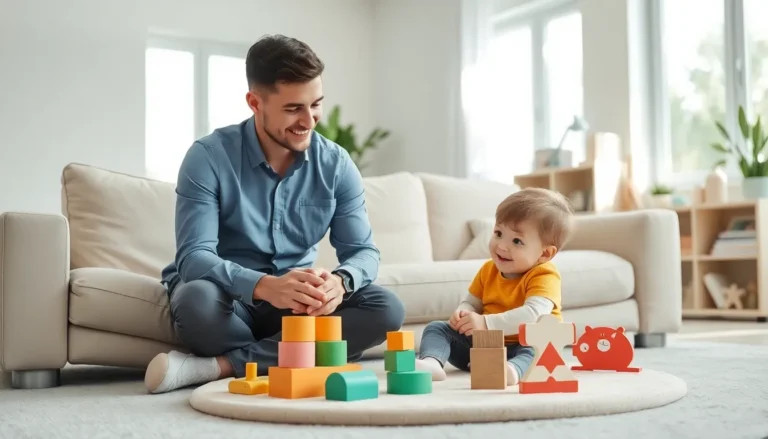
Classic wooden blocks remain a top choice for toddlers. They teach spatial awareness, hand-eye coordination, and early math concepts. Brands like Melissa & Doug and HABA offer durable options that withstand rough play. Magnetic tiles have also gained popularity. Sets like Magna-Tiles let toddlers create structures that stick together, reducing frustration while building confidence.
Push and Pull Toys
Toddlers learning to walk benefit from push toys with sturdy handles. These toys improve balance and strengthen leg muscles. Pull-along animals or wagons encourage toddlers to practice walking backward and turning, skills that support gross motor development.
Sensory and Fine Motor Toys
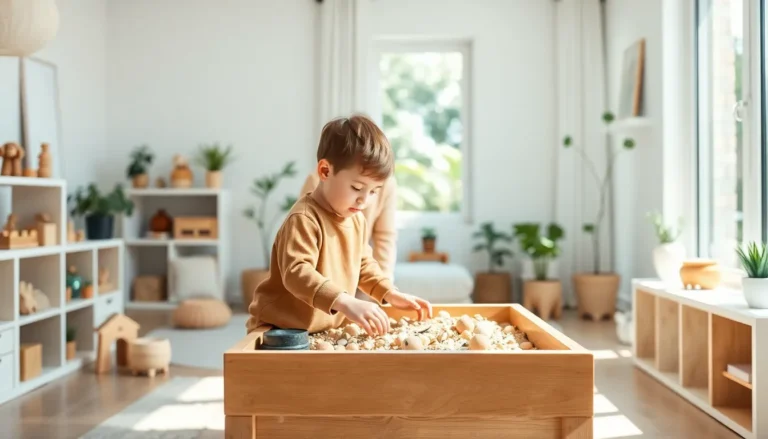
Play dough, kinetic sand, and water tables provide excellent sensory input. These activities strengthen small hand muscles needed for future writing skills. Shape sorters and pegboards also rank among the best toddler toys for fine motor practice.
Pretend Play Sets
Play kitchens, tool benches, and doctor kits allow toddlers to imitate adult behaviors. This type of play builds language skills and emotional intelligence. Toddlers learn to express themselves and understand social roles through imaginative scenarios.
Fun and Educational Activities for Toddlers
Activities matter as much as toys. The best toddler activities combine movement, creativity, and learning opportunities.
Arts and Crafts
Crayons, finger paints, and washable markers introduce toddlers to creative expression. Large paper taped to a table gives them freedom to scribble without boundaries. Sticker activities improve pincer grip and hand control. Parents should expect mess, it’s part of the process.
Music and Movement
Dancing to songs, shaking maracas, and banging drums help toddlers develop rhythm awareness. Music activities also support language acquisition. Toddlers who sing nursery rhymes often show stronger vocabulary development. Simple instruments designed for small hands make excellent additions to any playroom.
Outdoor Exploration
Time outside benefits toddlers physically and mentally. Sandbox play, nature walks, and backyard obstacle courses encourage gross motor development. Collecting leaves, rocks, or pinecones turns ordinary outings into learning experiences. The best toddler activities often cost nothing but time and attention.
Reading and Storytime
Board books with bright pictures and simple text capture toddler attention. Reading aloud builds listening skills and expands vocabulary. Interactive books with flaps, textures, or sounds keep toddlers engaged longer. Experts recommend reading to toddlers for at least 15 minutes daily.
Must-Have Everyday Essentials for Toddlers
Beyond toys and activities, certain products make daily toddler care smoother. These essentials address practical needs while supporting independence.
Mealtime Gear
Suction plates and bowls prevent mealtime disasters. Toddlers can’t easily flip these dishes off their highchair trays. Silicone bibs with catch pockets reduce cleanup time. Stainless steel or silicone cups with handles help toddlers drink independently.
Sleep Essentials
Toddlers transitioning from cribs need safe sleep environments. Toddler beds with low frames and guardrails prevent falls. Blackout curtains support better naps and earlier bedtimes. White noise machines help some toddlers sleep through household sounds.
Diapering and Potty Training
Quality diapers that fit well prevent leaks and rashes. When toddlers show readiness signs, small potty chairs or toilet seat inserts ease the transition. Training pants with absorbent layers give toddlers independence while protecting against accidents.
Safety Products
Cabinet locks, outlet covers, and corner guards protect curious toddlers from household hazards. Baby gates block access to stairs and dangerous rooms. These essentials give parents peace of mind as toddlers explore their surroundings.
Tips for Supporting Toddler Growth and Learning
The best toddler products work alongside intentional parenting strategies. These tips help maximize developmental benefits.
Follow the Child’s Lead
Toddlers learn best when interested. Observe what captures their attention and build activities around those interests. A toddler fascinated by trucks might enjoy sorting toy vehicles by color or size. Following their lead increases engagement and retention.
Rotate Toys Regularly
Too many toys overwhelm toddlers and reduce play quality. Keep a smaller selection accessible and store the rest. Rotate toys every few weeks to maintain novelty. This approach makes existing toys feel new again without additional purchases.
Prioritize Unstructured Play
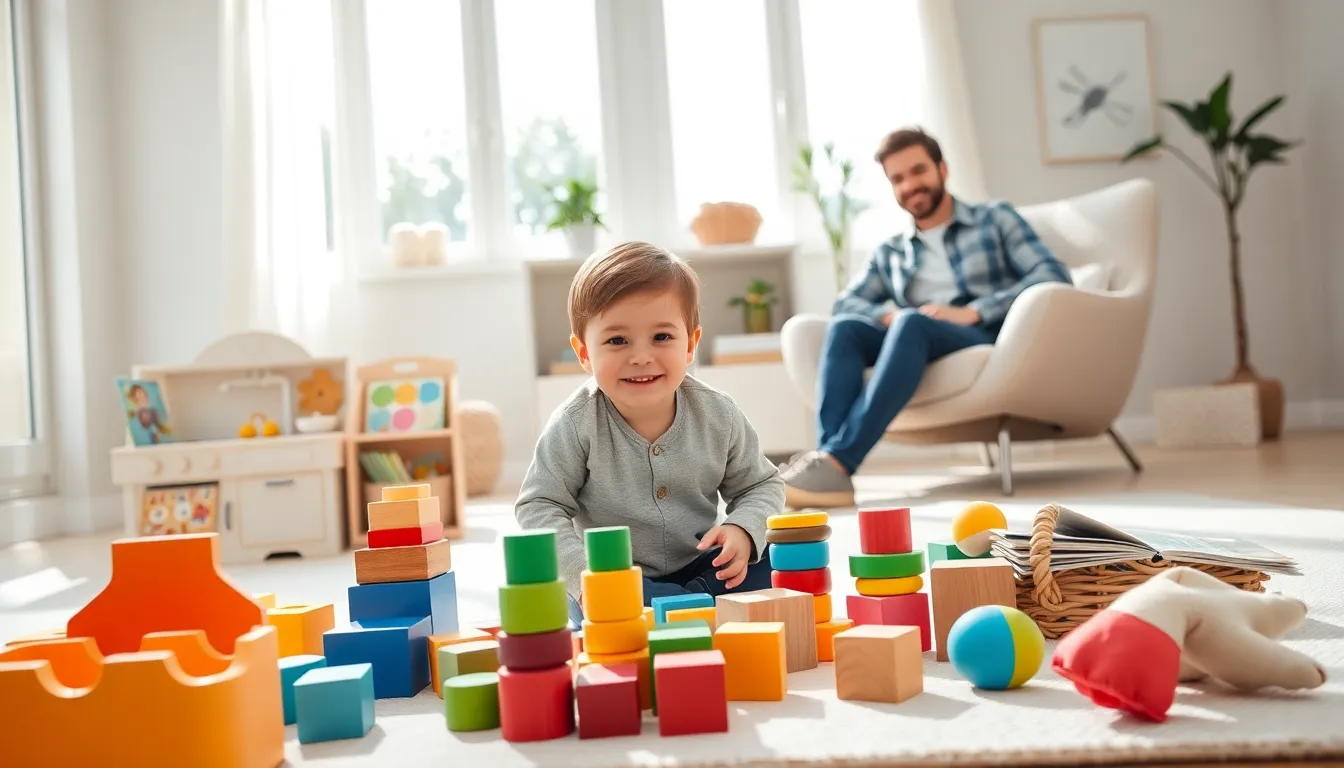
Scheduled activities have value, but free play matters more. Toddlers need time to explore without adult direction. Open-ended toys like blocks, dolls, and art supplies support this type of independent play. Parents should resist the urge to over-schedule.
Model and Narrate
Toddlers learn by watching adults. Demonstrate how toys work, then step back. Narrate activities using simple language: “You’re stacking the red block on top of the blue block.” This technique builds vocabulary and reinforces concepts naturally.
Celebrate Effort Over Results
Praising toddlers for trying encourages persistence. Statements like “You worked hard on that tower” matter more than “Good job.” This mindset helps toddlers develop resilience when challenges arise.