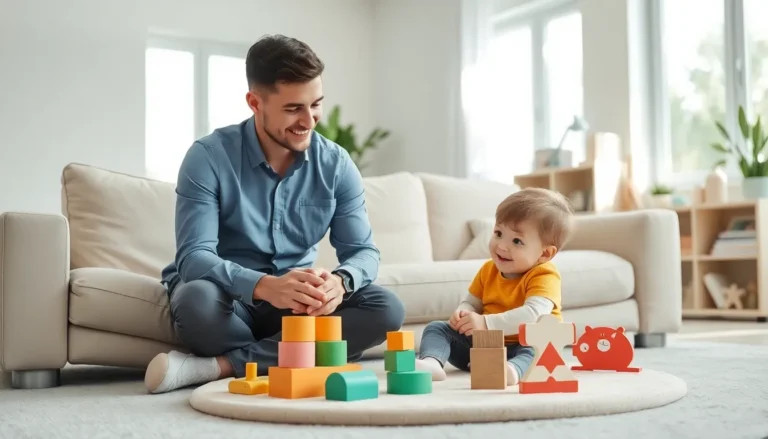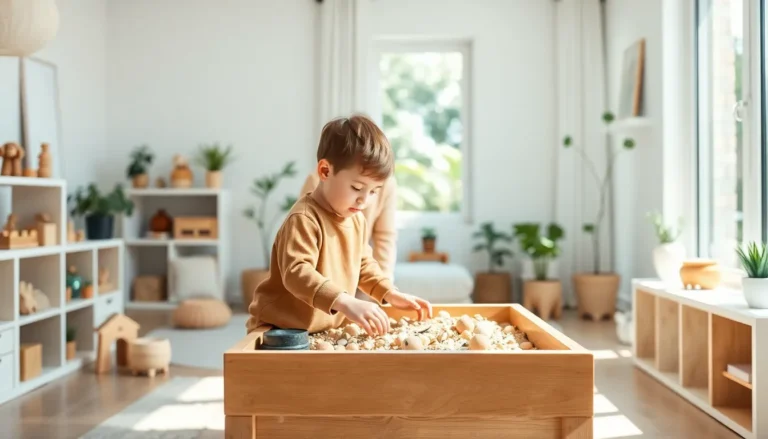
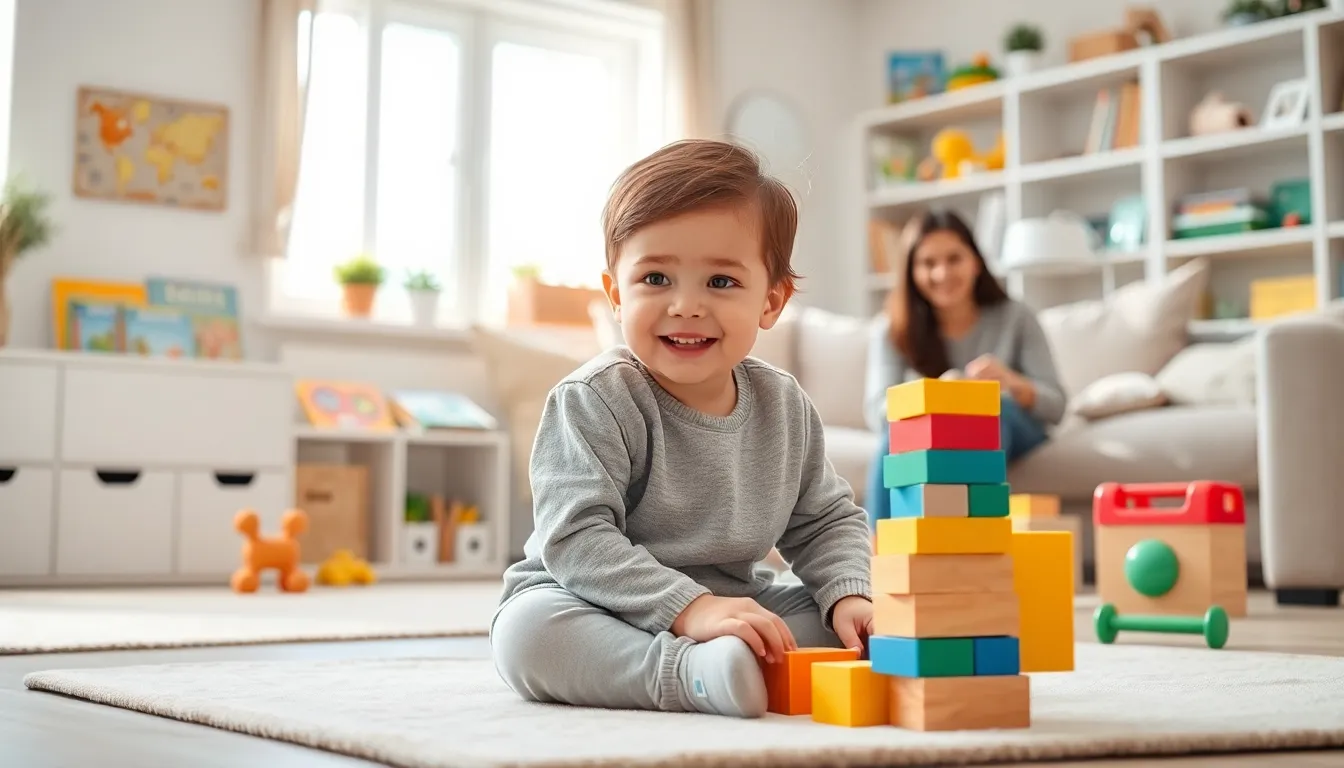
Toddlers examples help parents and caregivers understand what to expect during this exciting stage of development. The toddler years bring rapid changes in movement, speech, and behavior. Children transform from dependent babies into curious explorers who test boundaries and discover new skills daily. This guide covers specific toddlers examples across developmental milestones, common behaviors, and age-appropriate activities. Parents can use these examples to track progress and support their child’s growth.
Table of Contents
ToggleKey Takeaways
- Toddlers examples span physical, language, and behavioral milestones for children aged 12 to 36 months.
- Physical development progresses from first steps at 12 months to jumping, throwing, and pedaling a tricycle by age 3.
- Language skills grow rapidly—toddlers go from a few words to speaking in sentences and being understood by strangers within two years.
- Common toddler behaviors like tantrums, saying “no,” and clinginess are developmentally normal and serve important purposes.
- Age-appropriate activities including sensory play, gross motor movement, and reading aloud support healthy toddler development.
- Each child develops at their own pace, so use these toddlers examples as general benchmarks rather than strict timelines.
What Age Range Defines a Toddler?
A toddler is a child between 12 months and 36 months old. This age range covers the transition from infancy to early childhood. The term “toddler” comes from the unsteady walking style children develop during this period.
Pediatricians typically divide toddlerhood into two stages. Young toddlers are 12 to 24 months old. Older toddlers fall between 24 and 36 months. Each stage brings different skills and challenges.
Some experts extend the toddler phase to age 4, though most consider children preschoolers after their third birthday. Understanding these age boundaries helps parents find appropriate toddlers examples for their child’s specific stage.
Examples of Toddler Developmental Milestones
Developmental milestones serve as benchmarks for typical growth. These toddlers examples show what most children achieve at certain ages. Remember that each child develops at their own pace.
Physical Development Examples
Physical milestones vary widely among toddlers. Here are common examples by age:
12 to 18 months:
- Pulls up to stand using furniture
- Takes first steps independently
- Climbs onto low furniture
- Stacks two to three blocks
- Drinks from a sippy cup
18 to 24 months:
- Walks without holding onto objects
- Kicks a ball forward
- Runs with better coordination
- Climbs stairs with help
- Uses a spoon to feed themselves
24 to 36 months:
- Jumps with both feet leaving the ground
- Throws a ball overhand
- Pedals a tricycle
- Stacks six or more blocks
- Opens doors by turning handles
These physical toddlers examples represent average development. A child who reaches milestones a few months early or late is typically developing normally.
Language and Communication Examples
Language growth during toddlerhood is remarkable. Most children go from speaking a few words to forming sentences within two years.
12 to 18 months:
- Says “mama” and “dada” with meaning
- Uses one to three words besides names
- Points to objects they want
- Follows simple one-step commands
- Waves goodbye
18 to 24 months:
- Uses 50 or more words
- Combines two words (“more milk,” “daddy go”)
- Names familiar objects
- Points to body parts when asked
- Understands “no”
24 to 36 months:
- Speaks in three to four word sentences
- Uses pronouns like “I,” “me,” and “you”
- Asks “what” and “where” questions
- Strangers understand about 75% of speech
- Follows two-step instructions
These language toddlers examples help parents track communication progress. Children who don’t meet these benchmarks may benefit from early speech evaluation.
Common Toddler Behaviors and What They Mean
Toddler behavior often puzzles parents. Understanding why toddlers act certain ways makes these years easier. Here are toddlers examples of typical behaviors and their meanings.
Tantrums
Toddlers throw tantrums because they lack emotional regulation skills. Their brains haven’t developed the ability to manage big feelings. A tantrum over a broken cracker isn’t about the cracker, it’s about a child overwhelmed by disappointment they can’t process.
Saying “No” to Everything
The word “no” gives toddlers a sense of control. They’re discovering independence and testing boundaries. This behavior peaks around age 2 and decreases as children develop more vocabulary to express preferences.
Hitting, Biting, or Pushing
Physical aggression in toddlers stems from frustration and limited communication skills. A toddler who bites often does so because they can’t express anger or excitement with words yet. This behavior requires consistent redirection but is developmentally normal.
Clinginess and Separation Anxiety
Toddlers often become clingy around 18 months. They understand that parents leave but don’t fully grasp that they always return. This attachment behavior shows healthy bonding and usually fades by age 3.
Repetitive Play
Toddlers want to read the same book or play the same game repeatedly. Repetition helps them master skills and creates comfort through predictability. This behavior supports learning, even when it tests parent patience.
These toddlers examples of behavior remind caregivers that challenging actions serve developmental purposes.
Examples of Age-Appropriate Toddler Activities
The right activities support toddler development across all domains. These toddlers examples of activities match typical interests and abilities.
Sensory Play
Toddlers learn through their senses. Activities include:
- Playing with water and cups in the bathtub
- Squishing playdough or finger paint
- Filling and dumping containers with rice or sand
- Exploring textures through touch-and-feel books
Gross Motor Activities
Large muscle development needs daily practice:
- Dancing to music
- Chasing bubbles outdoors
- Climbing on playground equipment
- Pushing toy shopping carts or lawn mowers
- Rolling and throwing soft balls
Fine Motor Activities
Small muscle skills prepare toddlers for future writing:
- Stacking blocks and knocking them down
- Putting large puzzle pieces in place
- Scribbling with chunky crayons
- Turning pages in board books
- Opening and closing containers
Language-Building Activities
These activities boost communication skills:
- Reading picture books together
- Singing nursery rhymes with hand motions
- Naming objects during daily routines
- Playing pretend with dolls or toy animals
- Describing actions during play
Social Activities
Toddlers engage in parallel play before cooperative play develops:
- Attending library story time
- Playing alongside other children at the park
- Taking turns with simple games
- Helping with household tasks like sorting laundry
These toddlers examples of activities promote healthy development while keeping children engaged.