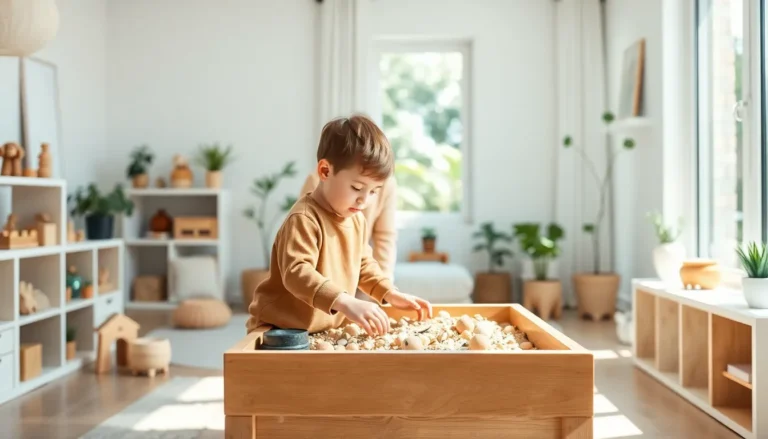

A toddlers guide serves as an essential resource for parents and caregivers during one of childhood’s most dynamic phases. Children between ages 1 and 3 undergo rapid physical, emotional, and cognitive changes. They learn to walk, talk, and assert their independence, often all at once. This period brings joy, challenges, and countless questions.
This guide covers the key aspects of raising a toddler. It addresses developmental milestones, behavior management, nutrition, sleep, and learning activities. Each section offers practical strategies that parents can apply immediately. Whether someone is raising their first toddler or their fourth, this resource provides the clarity they need to support healthy development.
Table of Contents
ToggleKey Takeaways
- A toddlers guide helps parents navigate rapid physical, cognitive, language, and social-emotional development between ages 1 and 3.
- Toddlers need 11 to 14 hours of sleep daily and 1,000 to 1,400 calories with iron-rich foods to support healthy growth.
- Tantrums and defiant behaviors are normal—maintaining consistent routines and offering limited choices helps manage them effectively.
- Language skills grow quickly when parents read, sing, and talk frequently with their toddlers throughout the day.
- Sensory play, movement activities, and creative projects provide the best developmental benefits during the toddler years.
- Picky eating is common, and it may take 10 to 15 exposures before a toddler accepts a new food.
Understanding Toddler Development Milestones
Toddler development occurs across four main areas: physical, cognitive, language, and social-emotional. Each child progresses at their own pace, but general milestones help parents track growth and identify potential concerns.
Physical Development
Between 12 and 36 months, toddlers master major motor skills. Most children walk independently by 15 months. By age 2, they run, climb stairs with support, and kick balls. Fine motor skills also advance during this period. Toddlers learn to stack blocks, hold crayons, and turn pages in books.
Physical activity supports muscle development and coordination. Parents should provide safe spaces for movement and exploration. Playgrounds, open yards, and indoor play areas all work well.
Cognitive Development
Toddlers become problem-solvers during this stage. They figure out how to open containers, fit shapes into sorters, and find hidden objects. Memory improves significantly, a 2-year-old can remember events from several days ago.
Pretend play emerges around 18 months. Children feed dolls, talk on toy phones, and imitate adult activities. This imaginative play signals healthy brain development. It also helps toddlers process their experiences and emotions.
Language Development
Language acquisition accelerates rapidly during the toddler years. A 12-month-old typically says 1 to 3 words. By age 2, most toddlers have a vocabulary of 50 to 100 words. At 3, many children speak in short sentences and ask questions constantly.
Parents can support language growth by talking frequently with their toddlers. Reading books, singing songs, and naming objects all build vocabulary. Responding to a child’s attempts at communication encourages further effort.
Social-Emotional Development
Toddlers experience big emotions. Frustration, joy, anger, and affection appear in full force. Children this age begin to understand that others have feelings too, though empathy remains limited.
Parallel play, where toddlers play alongside but not with other children, is normal at this stage. True cooperative play develops closer to age 3. Parents should arrange playdates and social opportunities, but expect some conflict as children learn to share.
Managing Common Toddler Behaviors
Every toddlers guide must address behavior challenges. Tantrums, defiance, and boundary-testing define this developmental stage. These behaviors stem from toddlers’ growing desire for independence combined with limited self-regulation skills.
Tantrums
Tantrums peak between 18 months and 3 years. They happen when toddlers feel overwhelmed, tired, hungry, or frustrated. The toddler brain hasn’t developed the capacity to manage strong emotions effectively.
Parents can reduce tantrum frequency by maintaining consistent routines and avoiding overtiredness. When tantrums occur, staying calm helps. Speaking in a low, steady voice and offering comfort (when the child is ready) teaches emotional regulation over time. Ignoring attention-seeking tantrums, while ensuring safety, often shortens their duration.
Saying “No”
Toddlers say “no” frequently. This isn’t defiance for its own sake. It represents their emerging sense of self and autonomy. Children this age are learning they have preferences and choices.
Parents can offer limited choices to satisfy this need for control. “Do you want the red cup or the blue cup?” gives a toddler agency without creating chaos. Picking battles wisely also helps, some issues matter more than others.
Biting and Hitting
Physical aggression is common among toddlers. They bite and hit because they lack words to express frustration. These behaviors typically decrease as language skills improve.
Consistent responses work best. Parents should calmly remove the child from the situation, state that hitting hurts, and redirect attention. Modeling gentle touch and praising appropriate behavior reinforces positive actions.
Nutrition and Sleep Essentials for Toddlers
Good nutrition and adequate sleep form the foundation of healthy toddler development. Both affect mood, energy, learning, and physical growth.
Toddler Nutrition
Toddlers need about 1,000 to 1,400 calories daily, depending on their size and activity level. Their diet should include fruits, vegetables, whole grains, protein, and dairy. Iron-rich foods matter especially, as iron deficiency is common in this age group.
Picky eating affects most toddlers. Growth slows after the first year, so appetite often decreases. Parents should continue offering a variety of foods without pressure. It can take 10 to 15 exposures before a child accepts a new food.
Meals work best at regular times. Limiting juice and milk between meals ensures toddlers arrive hungry for solid foods. Whole milk is recommended until age 2, then families can transition to lower-fat options.
Sleep Requirements
Most toddlers need 11 to 14 hours of sleep per 24-hour period, including naps. A 1-year-old typically takes two naps daily. By 18 months, many toddlers transition to one afternoon nap.
Consistent bedtime routines signal sleep time to toddlers. Bath, books, and songs create predictable sequences. Keeping the bedroom dark, cool, and quiet supports better sleep.
Sleep regressions happen. Developmental leaps, teething, illness, and schedule changes can disrupt sleep patterns. Parents should maintain routines during these periods and expect improvement within a few weeks.
Activities That Support Toddler Growth and Learning
Play is how toddlers learn. Activities that engage multiple senses and allow exploration provide the greatest developmental benefits.
Sensory Play
Sensory activities stimulate brain development. Water play, sand tables, playdough, and finger painting engage touch and sight. These activities also build fine motor skills and creativity.
Simple setups work well. A bin of dried pasta or rice provides hours of scooping and pouring practice. Shaving cream on a highchair tray offers mess-free drawing opportunities. Always supervise sensory play with small items.
Movement Activities
Toddlers need physical activity throughout the day. Dancing to music, playing chase, throwing soft balls, and climbing playground equipment all support gross motor development.
Obstacle courses using cushions and boxes challenge coordination. Simple games like “Simon Says” combine movement with listening skills. These activities burn energy and improve sleep quality.
Reading and Language Games
Reading to toddlers builds vocabulary, attention span, and pre-literacy skills. Board books with simple pictures and textures work best for younger toddlers. Longer stories with repetitive phrases engage 2 and 3-year-olds.
Naming games boost language development. Parents can point to objects and ask “What’s this?” or describe what they see during car rides and walks. Singing nursery rhymes introduces rhythm and phonics.
Creative Play
Art projects give toddlers outlets for self-expression. Large crayons, washable markers, and chunky brushes fit small hands well. Process matters more than product at this age, let children explore without expecting recognizable results.
Pretend play supplies inspire imagination. Play kitchens, dolls, toy tools, and dress-up clothes support creative thinking. Joining in a toddler’s pretend scenarios strengthens the parent-child bond.