Toddler trends 2026 are shaping up to change how parents raise, play with, and shop for their little ones. From eco-conscious products to screen-free play, parents want more intentional choices for their children. The toddler market reflects a clear shift: families prioritize sustainability, simplicity, and meaningful experiences over flashy gimmicks. This guide breaks down the biggest toddler trends 2026 will bring, and how they’ll impact everything from toy aisles to learning tools.
Table of Contents
ToggleKey Takeaways
- Toddler trends 2026 prioritize sustainability, with parents demanding eco-friendly products made from organic, recycled, or biodegradable materials.
- Screen-free and nature-based play is on the rise, as parents seek outdoor experiences and simple toys that build creativity and motor skills.
- Personalized learning tools, including subscription boxes and adaptive apps, help parents support their toddler’s unique developmental pace.
- Gender-neutral fashion and toys are becoming mainstream, allowing for more versatile wardrobes and inclusive play experiences.
- Montessori-inspired furniture and sensory play activities encourage independence, hands-on learning, and emotional regulation in toddlers.
- Parents are choosing real, high-quality materials over plastic imitations, reflecting a broader cultural shift away from disposable consumption.
Sustainable and Eco-Friendly Products
Sustainability sits at the top of toddler trends 2026. Parents increasingly demand products made from organic, recycled, or biodegradable materials. This shift extends across clothing, diapers, toys, and nursery furniture.
Brands now prioritize transparency about their supply chains. Parents want to know where materials come from and how workers are treated. Certifications like GOTS (Global Organic Textile Standard) and OEKO-TEX carry more weight than ever in purchasing decisions.
Reusable products continue gaining ground. Cloth diapers, silicone bibs, and stainless steel sippy cups replace single-use alternatives. Many families find these options save money over time while reducing household waste.
Wooden toys made from responsibly sourced timber now outsell many plastic options. These toys often last longer and can be passed down between siblings or donated. The trend reflects a broader cultural move away from disposable consumption.
Packaging matters too. Parents notice and appreciate minimal, recyclable packaging. Brands that ship products in excessive plastic wrapping face backlash on social media platforms.
Tech-Free and Nature-Based Play
Another major shift among toddler trends 2026 involves a pullback from screens and digital devices. Parents increasingly seek analog play experiences for children under three.
Outdoor play takes center stage. Mud kitchens, nature exploration kits, and garden starter sets rank among the most-requested gifts for toddlers. Pediatricians and child development experts support this trend, citing benefits for motor skills, immune function, and emotional regulation.
Forest schools and outdoor preschools continue expanding across the United States. These programs keep toddlers outside for most of the day, regardless of weather. Enrollment numbers have grown steadily since 2020.
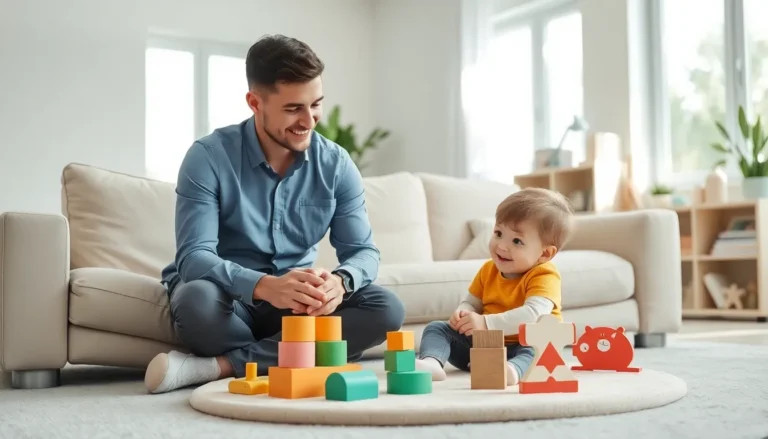
Simple toys encourage imagination. Blocks, play silks, nesting cups, and open-ended materials let toddlers direct their own play. Research shows these toys build creativity and problem-solving skills better than electronic alternatives.
Many parents establish “tech-free zones” in their homes. Play areas, bedrooms, and dining spaces remain screen-free. This boundary helps toddlers develop focus and reduces dependence on digital stimulation.
The movement isn’t anti-technology, it’s about balance. Parents recognize screens have a place but choose to delay heavy exposure until children develop stronger attention spans and social skills.
Personalized Learning and Development Tools
Personalized learning represents a growing segment of toddler trends 2026. Parents want tools that adapt to their child’s unique pace and interests.
Subscription boxes lead this category. Companies now offer monthly deliveries matched to a child’s age, developmental stage, and learning style. These boxes often include activities, books, and toys selected by child development specialists.
Apps and digital tools (when used) focus on customization. Programs assess a toddler’s current abilities and adjust difficulty levels automatically. This prevents frustration and boredom.
Speech and language tools have become more accessible. Parents can track vocabulary growth and receive activity suggestions to support language development at home. Early intervention resources are easier to find than ever before.
Motor skill development gets attention too. Products target fine motor practice through activities like threading, stacking, and manipulating small objects. Gross motor options include balance boards, climbing structures, and obstacle course components.
Parents appreciate data and progress tracking, but within limits. They want useful insights without surveillance-level monitoring. The best tools provide helpful feedback while respecting privacy.
Gender-Neutral Fashion and Toys
Gender-neutral options define many toddler trends 2026. Parents reject the strict pink-or-blue divide that dominated previous decades.
Clothing brands expand neutral color palettes. Earth tones, yellows, greens, and rainbow options appeal to parents who want versatile wardrobes. These pieces work across siblings and resale markets.
Toy marketing shifts away from gendered messaging. Dolls, trucks, kitchen sets, and building blocks now target all children. Retailers reorganize store layouts to remove “boys” and “girls” sections.
This trend connects to sustainability. Gender-neutral items get reused more often. A neutral-colored coat or toy set passes easily between children regardless of gender.
Parents also push back against limiting stereotypes. They want daughters to build and climb. They want sons to nurture and create. Gender-neutral products support diverse interests and activities.
Some resistance exists, but the overall direction is clear. Major retailers and brands recognize the business case for inclusive products. Sales data supports the shift.
Sensory and Montessori-Inspired Experiences
Sensory play and Montessori principles shape significant toddler trends 2026. These approaches emphasize hands-on learning and child-led exploration.
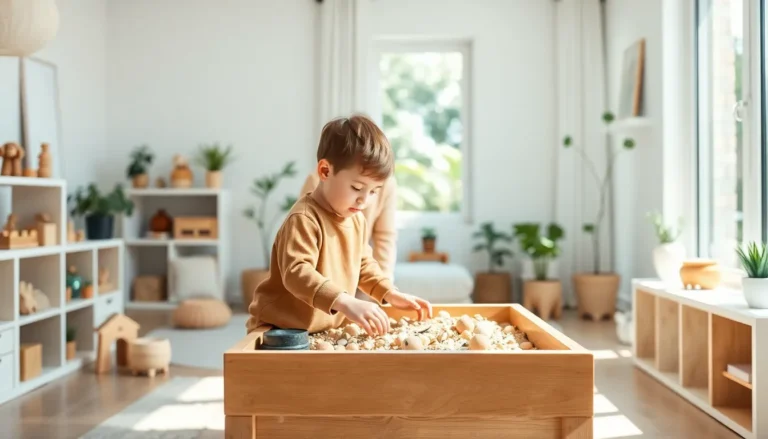
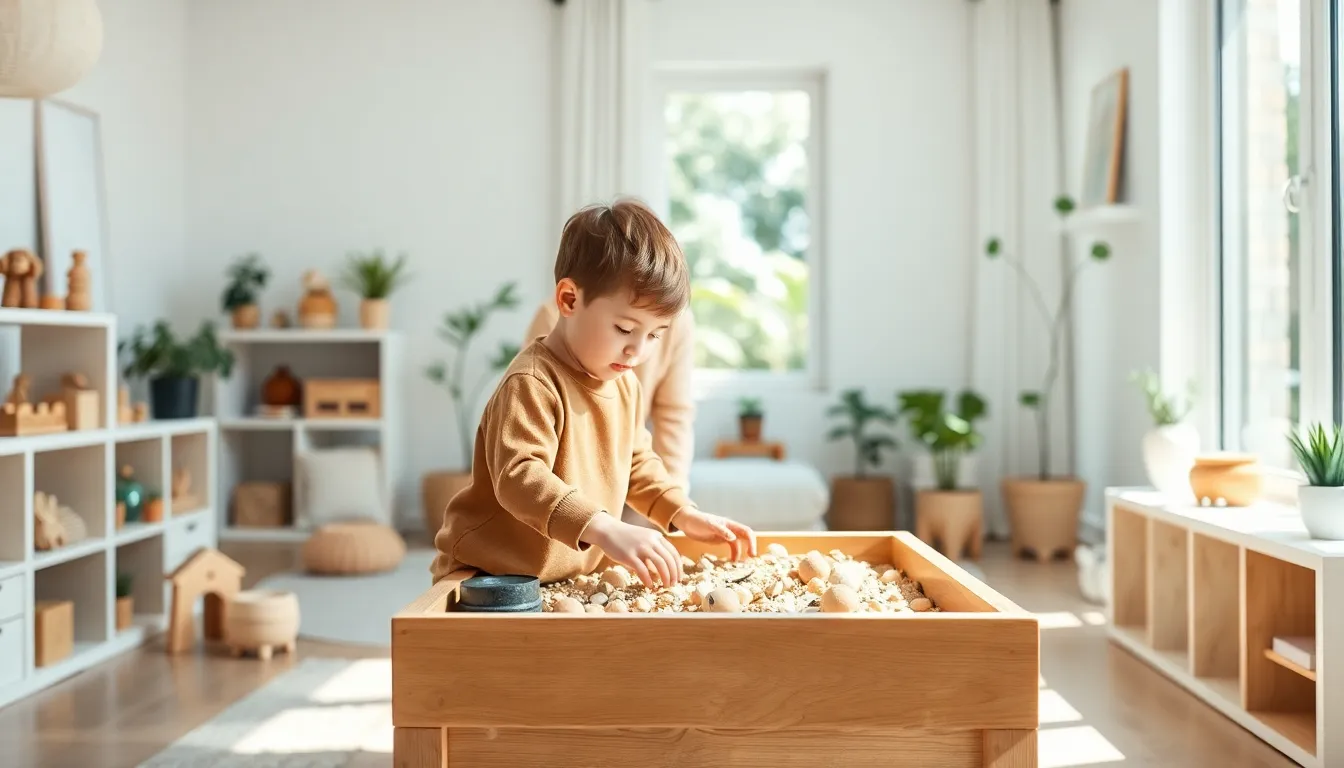
Sensory bins remain wildly popular. Parents fill containers with rice, beans, water beads, or kinetic sand. Toddlers scoop, pour, and discover textures. This play supports cognitive development and provides calming stimulation.
Montessori-inspired furniture fits toddler-sized bodies. Low shelves, small tables, and floor beds give children independence. They can access their belongings and move freely within safe spaces.
Practical life skills get priority. Toddlers learn to pour water, button clothes, and prepare simple snacks. These activities build confidence and fine motor control.
Real materials replace pretend versions in many homes. Toddlers use small pitchers, wooden utensils, and glass cups (with supervision). Parents find children handle real items more carefully than plastic imitations.
The Montessori influence extends beyond products to parenting philosophy. Respecting the child’s pace, offering limited choices, and preparing the environment rank among core practices parents adopt.
Sensory experiences also address regulation needs. Calming sensory tools help toddlers manage big emotions. Weighted lap pads, fidget toys, and textured objects support self-soothing.