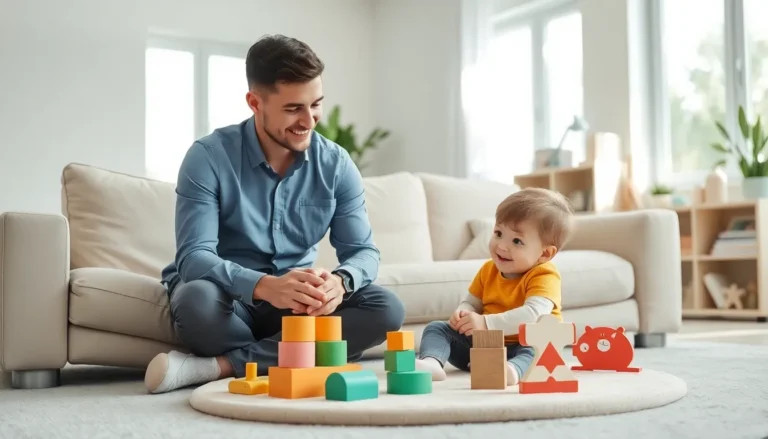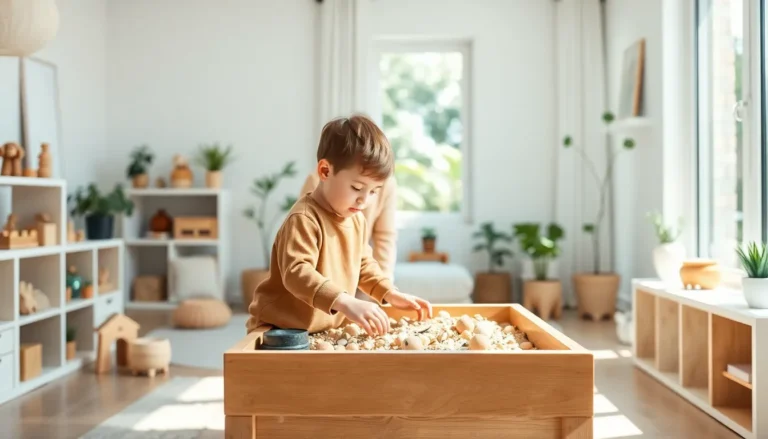

Toddlers vs. preschoolers, what’s the real difference? Many parents use these terms interchangeably, but each stage represents distinct milestones in a child’s growth. Toddlers and preschoolers differ in how they move, think, speak, and connect with others. Understanding these differences helps caregivers set realistic expectations and provide appropriate support. This guide breaks down the key developmental gaps between toddlers and preschoolers across physical, cognitive, and social-emotional areas.
Table of Contents
ToggleKey Takeaways
- Toddlers (ages 1-3) and preschoolers (ages 3-5) differ significantly in mobility, communication, and independence levels.
- Toddlers vs preschoolers show major physical differences—toddlers walk unsteadily and grip crayons with their fist, while preschoolers run confidently and use a tripod grip.
- Language development jumps dramatically: toddlers use 50-100 words in two-word phrases, while preschoolers know 1,000-2,000 words and speak in full sentences.
- Toddlers engage in parallel play and struggle with sharing, whereas preschoolers develop cooperative play skills and meaningful friendships.
- Parenting approaches should adapt—toddlers respond best to distraction and simple directions, while preschoolers benefit from logical consequences and explanations.
- Supporting independence looks different for toddlers vs preschoolers: offer small choices for toddlers and greater responsibilities like dressing independently for preschoolers.
Age Ranges and Defining Characteristics
The toddlers vs. preschoolers distinction starts with age. Toddlers are typically children between 1 and 3 years old. Preschoolers fall between ages 3 and 5. These age ranges aren’t just numbers, they mark significant shifts in development.
Toddlers are defined by their newfound mobility. The word “toddler” comes from “toddle,” describing that unsteady, wobbly walk young children develop. During this stage, children explore their environment with intense curiosity. They test boundaries constantly and often struggle to communicate their needs verbally.
Preschoolers, by contrast, move with greater confidence and coordination. They speak in full sentences and ask endless questions. Preschoolers begin to understand concepts like time, numbers, and letters. They also show interest in playing with other children rather than alongside them.
A key characteristic separating toddlers vs. preschoolers is independence. Toddlers want independence but lack the skills to achieve it, leading to frustration and tantrums. Preschoolers have developed enough ability to dress themselves, use the bathroom, and follow simple instructions without constant supervision.
Physical Development Milestones
Physical growth differs substantially when comparing toddlers vs. preschoolers. These differences affect everything from daily routines to safety considerations.
Gross Motor Skills
Toddlers develop basic gross motor abilities during their stage. By 18 months, most toddlers walk independently. By age 2, they can run (though often clumsily), kick a ball, and climb stairs with support. Their balance remains inconsistent, and falls are frequent.
Preschoolers demonstrate refined gross motor control. A 4-year-old can hop on one foot, catch a ball with both hands, and ride a tricycle. They climb playground equipment with confidence and run without falling regularly.
Fine Motor Skills
Fine motor development shows dramatic progress between toddlers vs. preschoolers. Toddlers grip crayons with their whole fist and scribble without purpose. They stack a few blocks and turn pages in books (sometimes several at once).
Preschoolers hold crayons with a tripod grip and draw recognizable shapes. They cut with scissors, button large buttons, and build complex block structures. These skills prepare them for writing letters and numbers in kindergarten.
Physical Size and Growth Rate
Toddlers grow rapidly, they typically gain 5 pounds and grow 3-5 inches per year. Preschoolers’ growth slows slightly to about 4-5 pounds and 2-3 inches annually. This slower pace is normal and healthy.
Cognitive and Language Growth
Cognitive abilities expand dramatically when examining toddlers vs. preschoolers. Both stages involve rapid brain development, but the outcomes look very different.
Language Development
Toddlers begin with single words around 12 months. By age 2, most toddlers use 50-100 words and form two-word phrases like “more milk” or “daddy go.” They understand far more than they can express, which often causes frustration.
Preschoolers speak in sentences of five or more words. A typical 4-year-old knows 1,000-2,000 words and can tell simple stories. They ask “why” constantly and enjoy rhymes and wordplay. Pronunciation improves, though some sound substitutions remain normal.
Problem-Solving and Memory
The toddlers vs. preschoolers comparison reveals major cognitive leaps. Toddlers solve problems through trial and error. They live in the present moment and have limited memory for past events.
Preschoolers think ahead and plan their actions. They remember experiences from weeks or months ago. They understand cause and effect and can predict simple outcomes. Imaginative play becomes sophisticated, a cardboard box transforms into a spaceship or castle.
Learning Style
Toddlers learn primarily through sensory exploration. They need to touch, taste, and manipulate objects. Repetition is essential: they want the same book read dozens of times.
Preschoolers learn through observation, imitation, and questioning. They absorb information from conversations and begin recognizing letters, numbers, and patterns. Structured activities hold their attention for longer periods.
Social and Emotional Differences
Social-emotional development shows striking contrasts between toddlers vs. preschoolers. These differences affect relationships, behavior, and emotional regulation.
Play Patterns
Toddlers engage in parallel play. They play near other children but not with them. Sharing feels impossible because toddlers don’t yet understand that others have feelings and needs. “Mine” is their favorite word.
Preschoolers develop cooperative play skills. They create games with rules, take turns (with reminders), and assign roles during pretend play. Friendships become meaningful, and children express preferences for specific playmates.
Emotional Regulation
Emotional differences between toddlers vs. preschoolers are significant. Toddlers experience intense emotions but lack tools to manage them. Tantrums occur because they can’t express frustration verbally or wait for what they want. Meltdowns happen quickly and intensely.
Preschoolers still have big feelings, but they’re developing coping strategies. They can use words to describe emotions, “I’m angry” or “That makes me sad.” They respond better to reasoning and can sometimes delay gratification for short periods.
Self-Awareness
Toddlers begin recognizing themselves in mirrors around 18 months. They understand basic concepts like “boy” or “girl” and know their name. But, they see themselves as the center of the universe.
Preschoolers develop theory of mind, the understanding that others have different thoughts and feelings. This shift enables empathy, cooperation, and eventually, guilt when they hurt someone.
Parenting Approaches for Each Stage
Understanding toddlers vs. preschoolers helps caregivers adjust their approach effectively. What works for a 2-year-old often fails with a 4-year-old, and vice versa.
Discipline Strategies
With toddlers, prevention works better than correction. Childproofing removes temptation. Distraction and redirection handle most conflicts. Toddlers don’t understand lengthy explanations, keep directions simple: “No hitting. Gentle hands.”
Preschoolers respond to logical consequences and brief explanations. They can participate in creating household rules and understand why rules exist. Time-outs work at this stage because preschoolers can reflect on their behavior.
Communication Techniques
For toddlers, get down to eye level and use short phrases. Offer two choices instead of open-ended questions: “Red shirt or blue shirt?” Acknowledge their feelings even when you can’t grant their wishes.
Preschoolers need more detailed conversations. They understand “because” and appreciate reasons behind requests. Ask open-ended questions about their day, their friends, and their ideas. Listen actively to their long, sometimes rambling stories.
Supporting Independence
Toddlers vs. preschoolers need different independence opportunities. Toddlers thrive with small choices and simple self-help tasks: picking a snack, putting toys in a bin, or attempting to put on shoes.
Preschoolers are ready for greater responsibility. They can set the table, feed pets, and get dressed independently. Allow extra time for them to complete tasks without rushing in to help.